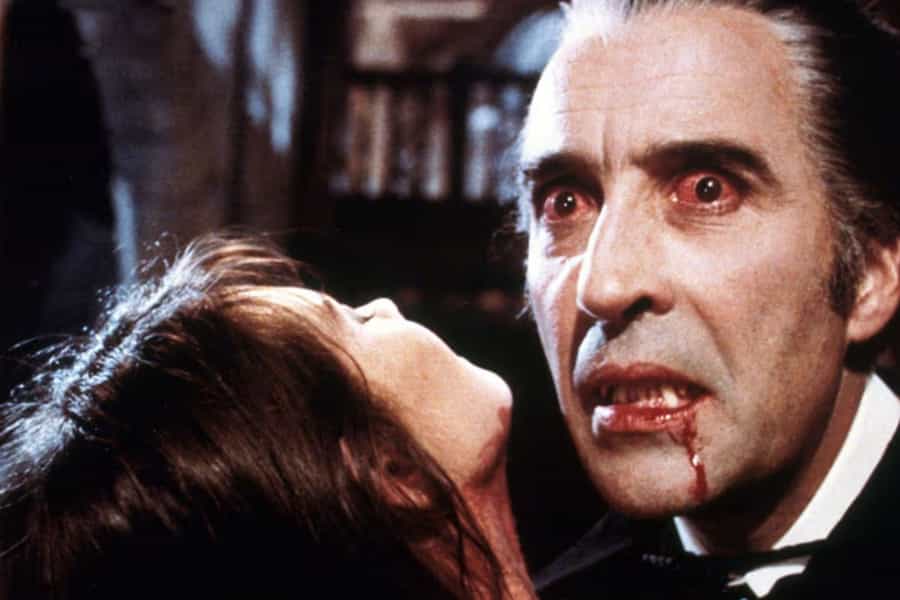
Bram Stoker never visited Romania, yet Bran Castle became the world’s most famous “Dracula’s Castle” through a combination of literary description and marketing rather than historical fact.
Literary Origins of Dracula
Bram Stoker wrote his famous novel “Dracula” in 1897 while living in Ireland. He never traveled to Transylvania or saw any Romanian castles in person. Instead, he researched Eastern European folklore and geography through books at the British Library.
The author drew inspiration from stories about Vlad III of Wallachia, a 15th-century prince known as Vlad the Impaler. This historical figure earned his nickname through brutal methods of punishing enemies. Stoker borrowed the name “Dracula” (meaning “son of the dragon”) from Vlad’s family title.
In Chapter 2 of the novel, Stoker describes Count Dracula’s castle as sitting on the edge of a terrible cliff. He wrote about a fortress surrounded by deep cracks and chasms. These details came from his imagination and research, not from actual knowledge of Bran Castle.
How Bran Castle Became Linked to Dracula
Bran Castle earned its connection to Dracula mainly because of how it looks. The castle sits dramatically on a cliff edge in Transylvania, matching Stoker’s written description better than any other castle in the region.
Marketing and tourism turned this visual similarity into a global brand. During the 20th century, Bran Castle became a museum. Tour operators and local businesses started calling it “Dracula’s Castle” to attract visitors. The nickname stuck because tourists wanted to visit a real place connected to the famous vampire story.
Historians confirm that Vlad the Impaler likely never lived at Bran Castle. Some records suggest he might have briefly stayed there, but no evidence proves he owned it or spent significant time within its walls. The castle served different purposes throughout history, mainly as a customs point and military fortress.
Historical Context of Bran Castle’s Legends
Bran Castle was built in the 1380s by the people of Brasov. The fortress served as a customs station on the border between Transylvania and Wallachia. Local legends about vampires existed in the region long before Stoker wrote his novel.
Transylvanian folklore included stories about strigoi, which were undead creatures that fed on the living. These vampire legends were part of everyday belief for many rural communities. The castle’s dramatic appearance and isolated location made it easy for locals to attach supernatural stories to the building.
By the late 19th century, the castle had fallen into disuse. It wasn’t until the Dracula connection developed that people saw Bran Castle as particularly special or noteworthy.
Popular Myths Versus Historical Facts
Common Myth: Bran Castle was Vlad the Impaler’s home.
Historical Fact: Vlad never lived at Bran Castle and probably never spent more than a night or two there at most.
Common Myth: Bram Stoker based his novel directly on Bran Castle.
Historical Fact: Stoker never visited Romania and didn’t specifically write about Bran Castle in his book.
Common Myth: The castle is haunted by real vampires or Vlad’s spirit.
Historical Fact: No documented paranormal activity or historical atrocities occurred at Bran Castle.
The castle became a tourist attraction through coincidence and clever marketing. Its connection to Dracula exists through appearance and location rather than historical events. You can visit Bran Castle today as a museum that displays both medieval Romanian history and exhibits about the Dracula legend.
Bran Castle’s Role in Dracula Lore
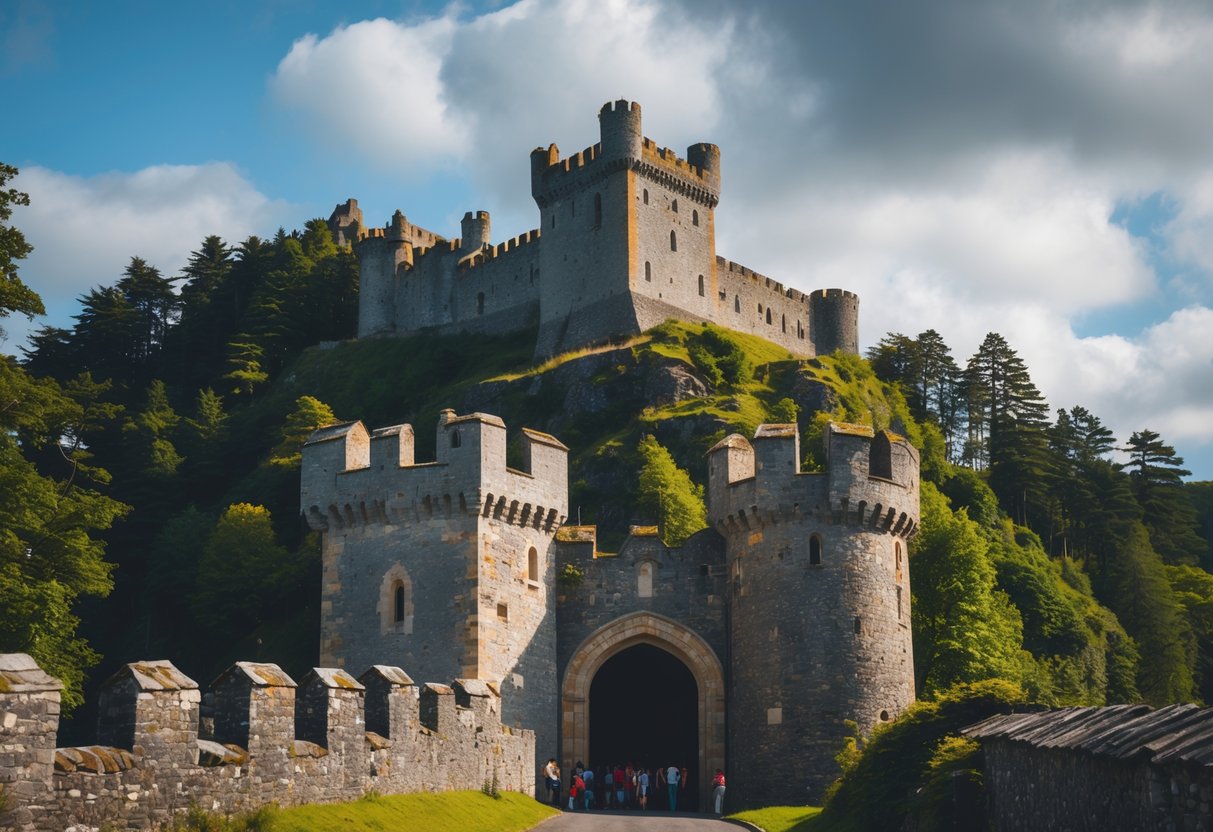
Bran Castle earned its place in vampire mythology through its striking resemblance to Bram Stoker’s fictional fortress and has since become a global symbol of Dracula tourism. The castle’s dramatic architecture and strategic location mirror the author’s descriptions, even though Stoker never actually visited Romania.
Architectural Features Resembling Dracula’s Castle
Bran Castle sits on a rocky cliff with commanding views of the surrounding landscape. This dramatic position matches Stoker’s description in Chapter 2 of his novel, where he wrote about a castle perched on the edge of a terrible abyss.
The castle’s tall towers and narrow windows create an imposing silhouette against the Transylvanian sky. Its steep walls rise directly from the rocky precipice below, making it look almost impossible to reach. The original 1897 edition of Dracula included an etching that looks remarkably similar to Bran Castle’s actual appearance.
The fortress features winding stone staircases and dark corridors that wind through multiple levels. Small courtyards connect different sections of the castle, creating a maze-like interior that feels mysterious and gothic. These architectural elements perfectly capture the eerie atmosphere Stoker imagined for Count Dracula’s home.
Bran Castle’s Place in Tourism and Pop Culture
Bran Castle markets itself as “Dracula’s Castle” to millions of tourists worldwide. This connection exists purely through the novel’s descriptions, not through any real link to Vlad the Impaler. Tourism marketing has transformed the medieval fortress into a vampire landmark.
The castle draws visitors from every corner of the globe who want to experience the Dracula legend firsthand. Film adaptations, television shows, and stage plays have reinforced Bran Castle’s reputation as the definitive Dracula location. Your visit supports the castle’s preservation while letting you explore the world’s most famous vampire story.
Tour operators in nearby Brasov offer day trips specifically focused on the Dracula connection. The castle embraces its role in pop culture while also educating visitors about its real medieval history and Romanian heritage.
Notable Features and Rooms Highlighted in Dracula Tours
Tours emphasize the Queen’s Bedroom, which showcases royal furnishings and period decorations. You’ll see the Secret Staircase that connects different floors and adds to the castle’s mysterious atmosphere. The torture chamber displays historical weapons and artifacts, though these have no real connection to Vlad the Impaler.
The inner courtyard provides photo opportunities with the castle’s dramatic stone walls as a backdrop. Gothic windows and medieval doorways appear throughout your tour, reinforcing the vampire aesthetic. You can explore the tower rooms where narrow passages and dim lighting create an authentic castle experience.
Special Dracula-themed tours operate during evening hours, offering a more atmospheric visit. These tours focus on local folklore and legends that Stoker incorporated into his novel.